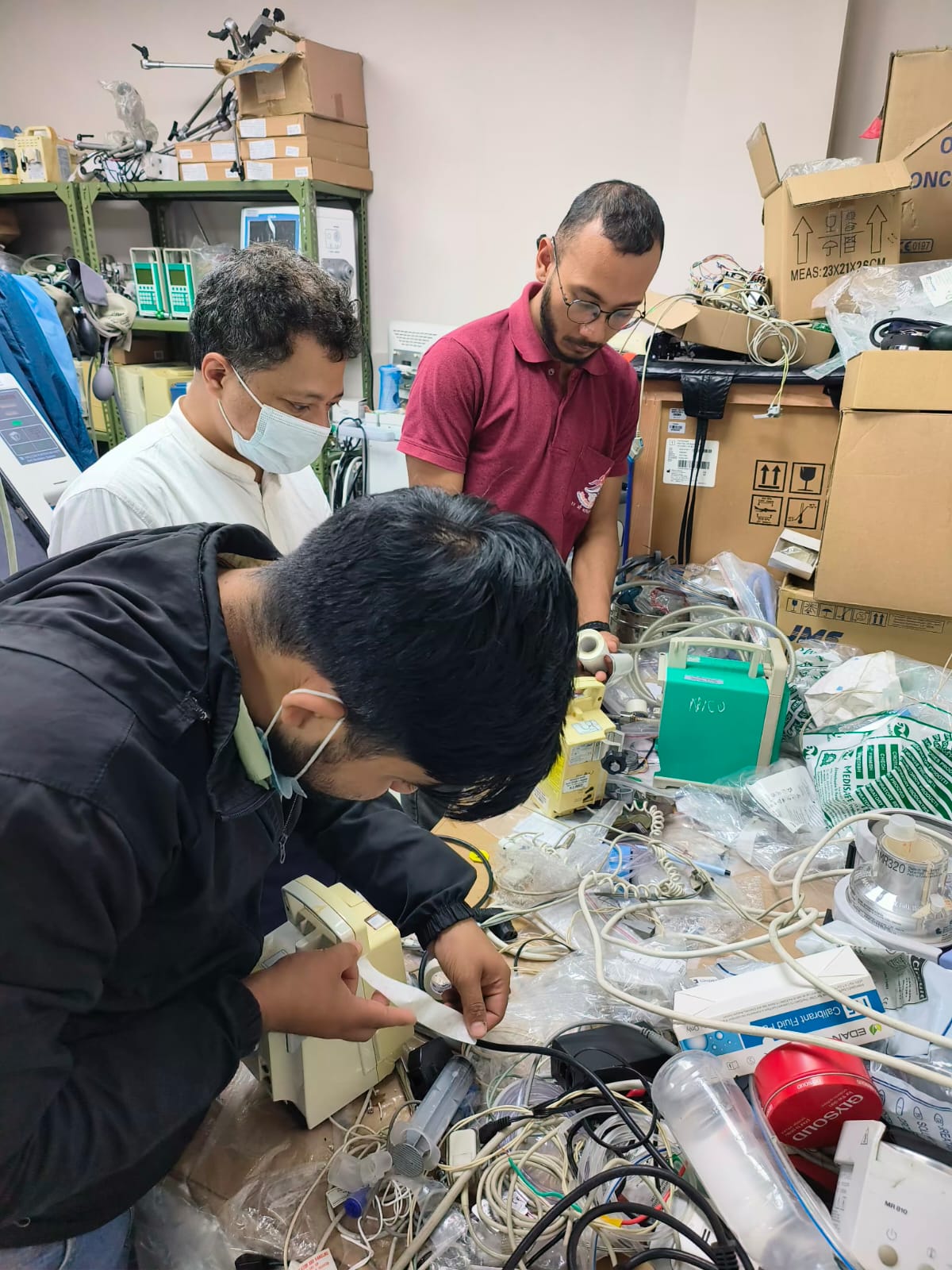
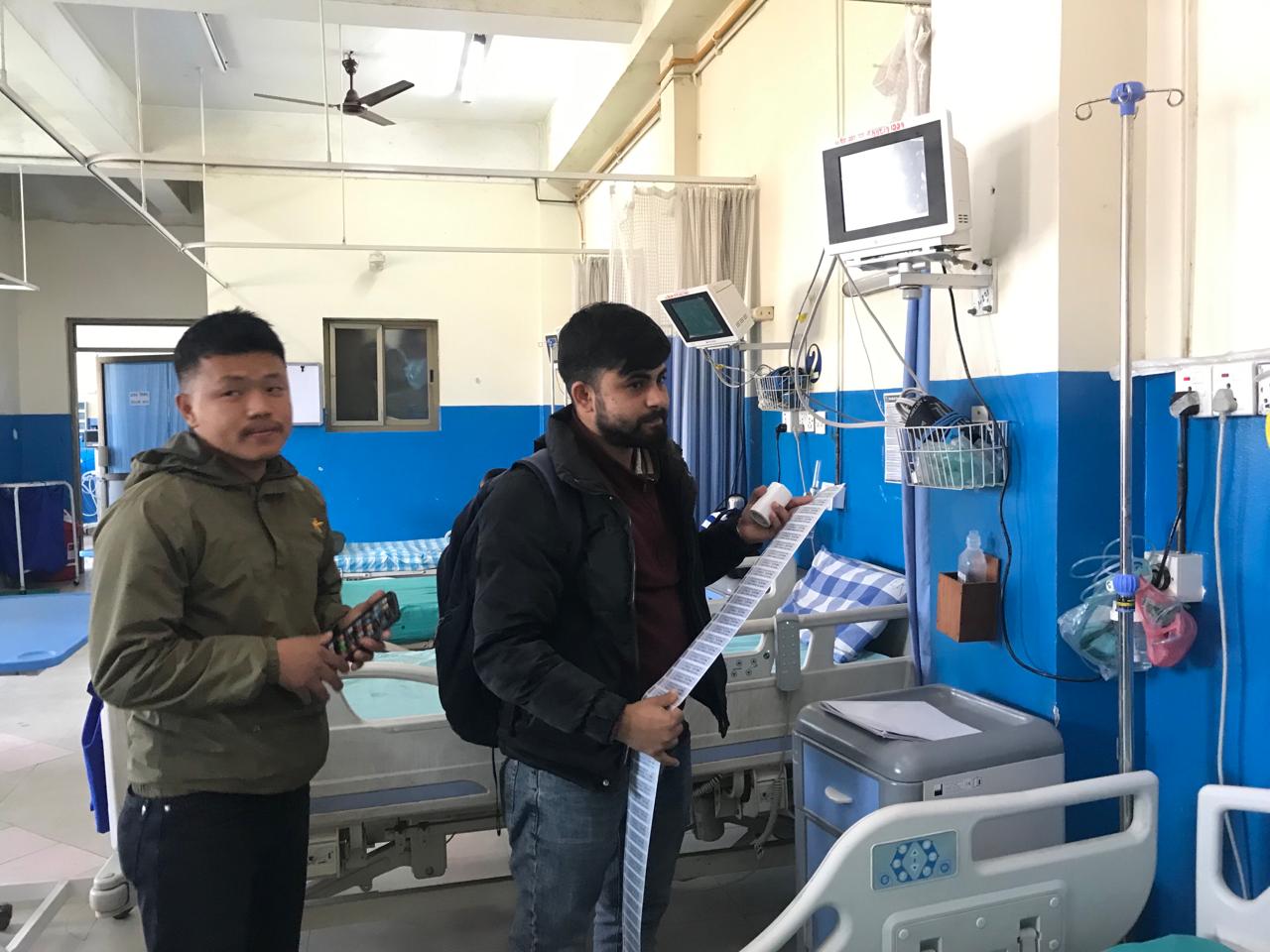
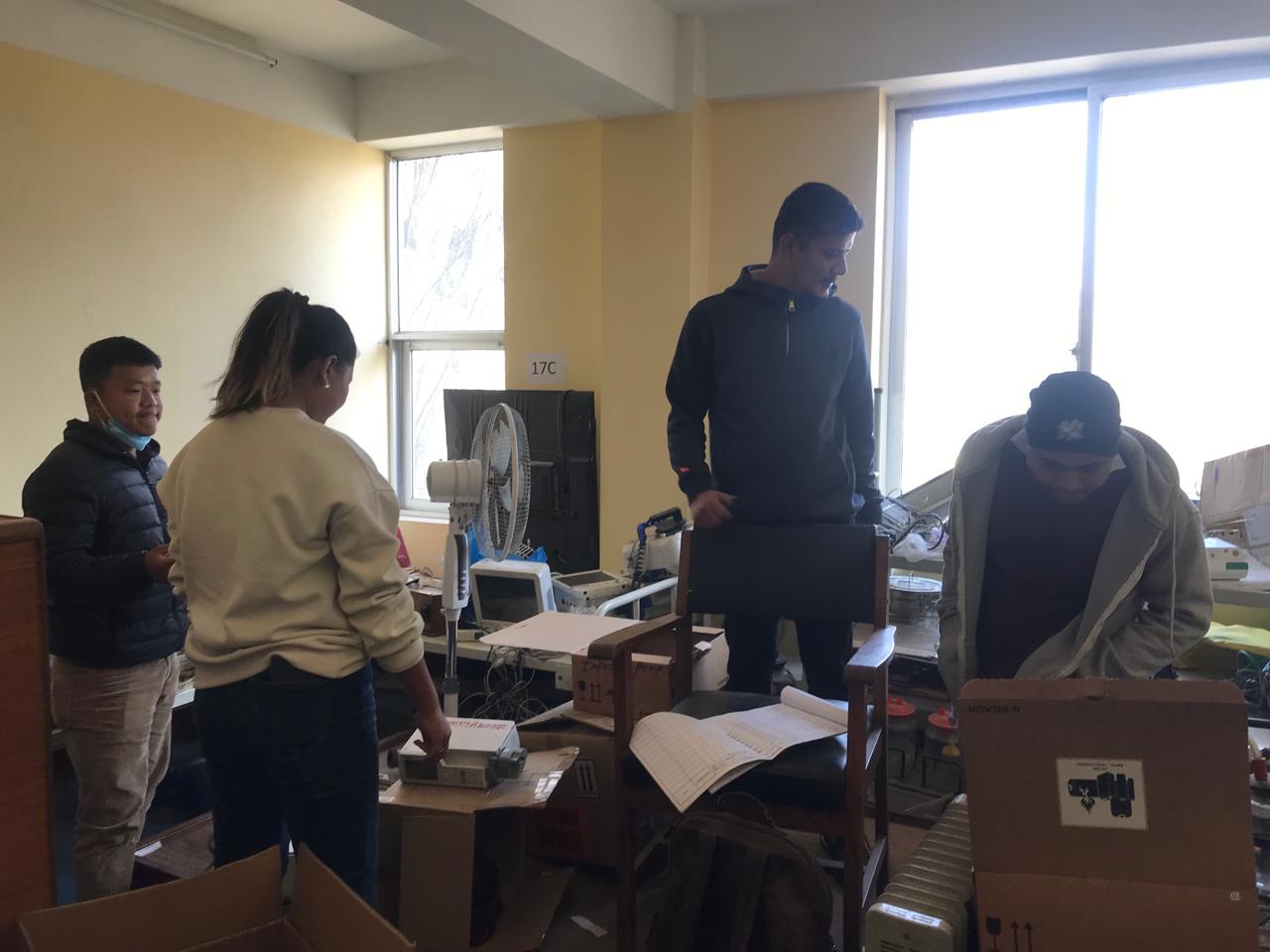
A systematic survey of medical equipment was conducted from mid of October 2023 to mid of
March 2024 in 80 selected public healthcare facilities of Koshi, Madhesh, Bagmati, Gandaki and
Sudurpaschim province of Nepal. The survey aimed to evaluate the availability, functionality, and
usability of essential medical equipment in healthcare facilities. It involved gathering data on the
status of available equipment, inventory management system, their functionality condition,
diagnostic assessment of out of order equipment, cost estimation for repairable equipment, supply
chain status of equipment purchased or received in donation during COVID and utilization status of
high valued equipment. The collected information was then analyzed to identify gaps, inefficiencies,
and areas for improvement in equipment management and procurement processes. The survey used
standardized tools and protocols to collect data systematically, ensuring consistency and reliability
of findings across different healthcare settings.

According to the survey results, 71% of the equipment was in good working order, 6% was in good
working order but was not in use, 9% was out of order, and 14% was not installed. The results of the
survey showed that most equipment was used to serve the patient need and only a small percentage
of equipment was not used due to insufficient competent human resources. Of the equipment that
is out of commission, 75% could be fixed and put back into service. The supply chain status was
assessed only by 50% from the inventory managed by the healthcare facilities which indicates the
necessity for proper inventory management. High valued equipment utilization varied from facilities
to facilities which should be improved by taking a proactive approach to utilization management.
The results of the survey will provide the evidence for informed decision-making processes related
to equipment procurement, maintenance strategies, and healthcare resource allocation in Nepal.
The repairable cost estimate, which would serve as the foundation for allocating the repairable
budget, was also included in this survey. However, there is a concerning lack of inventory
management system across various healthcare facilities, leading to potential inaccuracies and
malfunctions in equipment. This jeopardizes patient safety and undermines the efficacy of medical
interventions. Without a centralized system to track equipment usage, maintenance schedules, and
locations, there is a heightened risk of equipment loss, theft, or misplacement. The survey also
identifies significant disparities in equipment availability between different healthcare institutions.
Lastly, inadequate staff training on equipment operation and troubleshooting poses a substantial
risk to both patients and healthcare providers.
To address the issues highlighted in the survey, several recommendations are proposed. Firstly,
healthcare facilities must prioritize the Implementation of a robust inventory management system
that is digitalization which is crucial for optimizing resource utilization, ensuring equipment
reliability, and maintaining high standards of patient care within healthcare facilities. Secondly,
healthcare authorities should establish equitable distribution mechanisms to ensure that all
institutions have access to high-quality equipment, regardless of their location or resources.
Centralized procurement processes and strategic partnerships with suppliers can facilitate this
objective. Thirdly, comprehensive training programs should be developed to educate healthcare
personnel on proper equipment usage, troubleshooting procedures, and safety protocols. This will
enhance the competence and confidence of staff members, ultimately improving patient outcomes
and healthcare efficiency. Overall, concerted efforts from healthcare stakeholders are essential to
address the systemic challenges identified in the survey and uphold the standard of care in medical
facilities.